When Is the Best Time to Catch Speckled Trout in Destin?
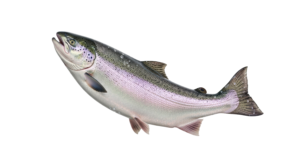 Speckled Trout can be caught throughout much of the year in Destin, but spring and fall provide the most consistent fishing. The warming water in the spring and cooling temperatures in the fall encourage trout to feed actively throughout Choctawhatchee Bay.
In addition to the season, the tides, water temperature, wind and time of day can all influence where Speckled Trout are holding and how aggressively they are feeding.
Speckled Trout Fishing by Season
Spring: March Through May
Spring is one of the best times to catch Speckled Trout in Destin. As the water begins warming, shrimp and baitfish become more active throughout the bay. Trout follow that food into grass flats, sandy potholes, creek mouths and other shallow feeding areas.
The comfortable temperatures and moving tide, makes spring a great choice for families, first-time anglers and experienced fishermen hoping to specifically target Speckled Trout.
Weather can still change quickly during early spring. Captain Dan considers recent cold fronts, wind direction and water clarity when choosing the best spot to fish!
Summer: June Through August
During the summer, early morning trips often provide the best combination of cooler weather, calmer water and active fish. Trout may feed across shallower grass flats around sunrise before moving toward deeper grass edges, docks or areas with stronger water movement later in the day.
A summer morning fishing trip also allows your group to enjoy several hours of fishing before the strongest afternoon heat and common summer thunderstorms arrive.
Fall: September Through November
The cooling waters and abundant bait make fishing for trout in the fall season a great experience! We’ll find trout along grass beds, drop-offs and shoreline structures where shrimp and baitfish are commonly found. Mild temperatures can also make fall trips more comfortable, while lighter visitor traffic often means less activity on the water than during peak summer.
September, October and November can all produce strong trout fishing opportunities. The most productive location will depend on how quickly the water is cooling and where the bait is moving.
Winter: December Through February
As winter arrives, Speckled Trout do not disappear, they simply change their location towards areas offering more stable water temperatures.
On colder days, we may find trout in the deeper channels, around docks or near protected areas until the sun has had time to warm the shallows. This can make a later morning or afternoon trip productive under the right conditions.
A sudden cold front may temporarily slow the bite, while several mild and sunny days can bring fish back into more active feeding patterns.
Captain Dan also stays within Fish and Wildlife regulations, February is currently closed to recreational Speckled Trout harvest in Florida’s Panhandle region.
What Is the Best Time of Day to Catch Speckled Trout?
Early morning is generally the best starting point during the warmer months. Lower temperatures, calmer winds and active bait can encourage Speckled Trout to feed near shallow flats and grass edges.
The best time can change during cooler weather. After a cold night, trout may become more active later in the day as the sun warms the water. During spring and fall, a productive moving tide may matter more than whether you fish in the morning or afternoon.
Does the Tide Matter?
Tidal movement is one of the most important factors in having success reeling in Speckled Trout. As water moves, it carries shrimp, baitfish and other food through the edges of grass beds.
Both incoming and outgoing tides can be productive. The better choice depends on the fishing location, wind direction, recent weather and water clarity. A slack tide may temporarily slow the action until the water begins moving again.
Captain Dan monitors these conditions before every charter and adjusts the fishing location throughout the trip when necessary.
Where Are Speckled Trout Caught Around Destin?
Speckled Trout live in the protected inshore waters surrounding Destin and Fort Walton Beach. Choctawhatchee Bay provides a wide range of productive habitat, including:
- Grass flats and grass edges
- Sandy potholes
- Oyster beds
- Shoreline drop-offs
- Docks and bridge structure
- Deeper channels during temperature changes
The best location changes throughout the year. During comfortable water temperatures, trout may spread across shallow feeding areas. Extreme heat or cold can push them toward deeper water or structure where conditions are more stable.
What Changes When You Fish With a Local Captain?
Knowing that Speckled Trout live in Choctawhatchee Bay is only the beginning. Finding fish consistently means understanding how weather, tides and seasonal bait movement affect the bay from one day to the next.
Captain Dan adjusts each charter based on current conditions rather than taking every group to the same location. That may mean drifting a grass flat, fishing live bait near structure or moving between several areas until actively feeding fish are located.
Your rods, tackle, bait and fishing licenses are included. Captain Dan also provides hands-on guidance, making a Speckled Trout charter approachable for beginners while still offering an exciting light-tackle experience for seasoned anglers.
What Can You Expect on a Speckled Trout Charter?
Although Speckled Trout are known for aggressive strikes and exciting fights on light tackle, they’re great for our Family Fishing Trips! The techniques of reeling in Speckled Trout are great for any level of angler, the equipment is easy to handle and the fishing takes place in the generally calmer waters of the bay.
Although a trip may focus on trout, Choctawhatchee Bay supports several other inshore species. Depending on the season and location, your group may also encounter Redfish, Black Drum, Flounder, Sheepshead, Mangrove Snapper or Spanish Mackerel.
Every trip is different, and Captain Dan will focus on the species and locations offering the best opportunities that day.
Plan Your Speckled Trout Fishing Charter
If catching Speckled Trout is one of your goals, spring and fall are excellent times to plan your trip. Summer mornings can also offer productive action, while winter rewards anglers who are willing to adjust their timing and techniques around changing conditions.
Explore our Speckled Trout fishing charters and learn more about inshore fishing in Choctawhatchee Bay.
Plan your Speckled Trout charter with Captain Dan and experience one of Destin’s most exciting inshore fisheries.
Category: Fishing Trips